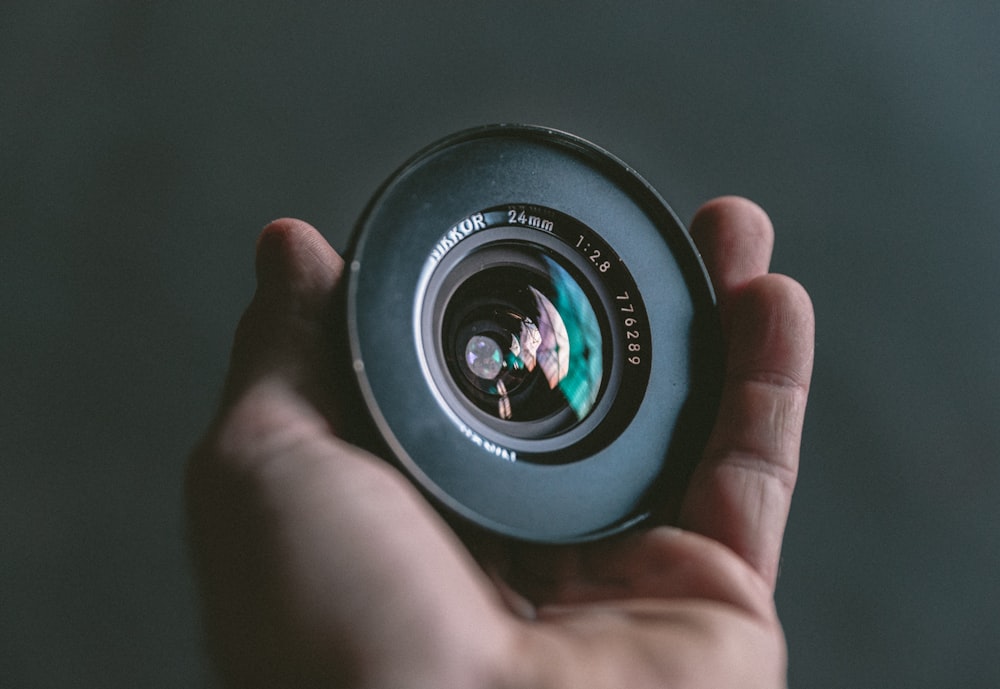
 Elevating your photographic prowess requires mastering a variety of photography techniques. These techniques are the bedrock of creating captivating images that resonate with viewers. Whether you are an aspiring photographer or an experienced professional, refining your skills through these advanced methods will significantly enhance your work.
Understanding Light and Shadow
Light is the essence of photography. Grasping the interplay between light and shadow is crucial. Experiment with different light sources, both natural and artificial, to understand how they affect your subject. Golden hour light, known for its warm and soft quality, can dramatically improve the mood of your photos. Conversely, harsh midday light requires strategic positioning to avoid unflattering shadows.
Utilizing the Rule of Thirds
Composition is a fundamental aspect of photography. The rule of thirds involves dividing your frame into nine equal segments using two horizontal and two vertical lines. Positioning your subject along these lines or at their intersections creates a balanced and engaging composition. This technique draws the viewer’s eye naturally to the focal points of the image.
Exploring Depth of Field
Depth of field (DOF) refers to the area of the image that appears sharp. Controlling DOF can add dimension and focus to your photographs. A shallow depth of field, achieved by using a wide aperture (small f-number), isolates the subject from the background, creating a bokeh effect. In contrast, a deep depth of field, with a narrow aperture (large f-number), keeps the entire scene in focus.
Mastering Long Exposure
Long exposure photography captures the passage of time in a single frame. This technique is ideal for shooting night scenes, waterfalls, and other dynamic subjects. By using a slow shutter speed, moving elements in the scene become blurred, creating a sense of motion while stationary objects remain sharp. Employ a tripod to avoid camera shake and achieve crisp long-exposure shots.
Applying Leading Lines
Leading lines guide the viewer’s gaze through the photograph. These lines can be literal, such as roads or rivers, or implied, like a series of aligned objects. Utilizing leading lines effectively can enhance the composition by drawing attention to the main subject and adding depth to the image.
Utilizing Negative Space
Negative space refers to the area surrounding the main subject of the photograph. Incorporating ample negative space can highlight the subject and create a sense of simplicity and elegance. This technique often results in a minimalist aesthetic, allowing the viewer to focus solely on the subject without distractions.
Implementing the Concept of Symmetry
Symmetry provides a harmonious and aesthetically pleasing composition. Perfect symmetry, where both halves of the image mirror each other, creates a sense of balance. While shooting, look for natural or man-made patterns that can be used to achieve symmetrical compositions, enhancing the visual impact of your photos.
Playing with Reflections
Reflections can add a layer of complexity and intrigue to your photographs. Water, glass, and other reflective surfaces can be used creatively to capture mirrored images. This technique can transform ordinary scenes into captivating visual narratives, offering a fresh perspective and depth.
Experimenting with Macro Photography
Macro photography involves capturing extreme close-up shots of small subjects, revealing details that are often invisible to the naked eye. Specialized macro lenses allow for high magnification, making this technique perfect for photographing insects, flowers, and textures. Attention to detail and precise focusing are essential for successful macro photography.
Mastering Black and White Photography
Black and white photography emphasizes form, texture, and contrast, stripping away the distraction of color. It requires a keen understanding of tonal range and lighting. When composing in black and white, focus on elements such as shadows, highlights, and textures to create compelling images that stand the test of time.
Using HDR Photography
High Dynamic Range (HDR) photography involves combining multiple exposures of the same scene to capture a wider range of light and detail. This technique is particularly useful in high-contrast scenes where both highlights and shadows need to be preserved. Properly executed HDR can result in images with remarkable depth and realism.
Incorporating Motion Blur
Motion blur can convey movement and dynamism within a still photograph. By using a slower shutter speed, moving subjects are blurred, while stationary elements remain sharp. This technique is effective in sports photography, street photography, and any scenario where you want to capture the essence of motion.
Editing for Excellence
Post-processing is an integral part of modern photography. Editing software like Adobe Lightroom and Photoshop offer tools to enhance and refine your images. Adjustments to exposure, contrast, color balance, and sharpness can elevate your photos. However, aim for a natural look, enhancing your images without overdoing it.
Continuous Learning and Practice
Photography is an ever-evolving art form. Stay abreast of new techniques, trends, and technologies by participating in workshops, reading articles, and joining photography communities. Regular practice and experimentation are key to mastering new skills and pushing the boundaries of your creativity.
Conclusion
By mastering these advanced photography techniques, you can significantly enhance the quality and impact of your images. From understanding light and shadow to experimenting with long exposure and macro photography, each technique offers unique opportunities for creative expression. Continuous learning, practice, and a willingness to explore new methods will propel your photographic skills to new heights, allowing you to create stunning, memorable photographs that captivate and inspire.