Photography, a captivating blend of art and science, often starts with grasping the Basics of Photography. Whether you’re an aspiring shutterbug or a seasoned enthusiast, understanding these essentials is crucial to capturing compelling images. This comprehensive guide delves into the fundamental concepts and techniques that form the backbone of photography.
Understanding Your Camera
The journey into the world of photography begins with familiarizing yourself with your camera. Modern cameras, whether DSLRs, mirrorless, or even smartphones, come equipped with a myriad of features. Understanding these features and settings can significantly enhance your ability to take better photos. Key elements include the aperture, shutter speed, and ISO, collectively known as the exposure triangle.
The Exposure Triangle
Mastery of the exposure triangle is imperative. The aperture controls the lens’s opening size, influencing depth of field and the amount of light entering the camera. Shutter speed determines how long the camera’s sensor is exposed to light, affecting motion blur. ISO measures the sensor’s sensitivity to light, balancing exposure but potentially introducing noise. Achieving the right exposure involves harmonizing these three variables.
Composition Techniques
Composition is the art of arranging elements within your frame to create a visually pleasing photograph. Techniques such as the rule of thirds, leading lines, and framing can transform ordinary scenes into extraordinary images. The rule of thirds divides your frame into nine equal segments, placing the subject along these lines or their intersections to create balance and interest.
Lighting: The Key to Great Photography
Lighting is an elemental aspect of photography. Natural light, artificial light, and the use of shadows play pivotal roles in setting the mood and tone of an image. Golden hours, the periods shortly after sunrise and before sunset, are renowned for providing soft, warm light ideal for photography. Understanding how to manipulate light and shadows can elevate your images from mundane to magnificent.
Lens Selection and Its Impact
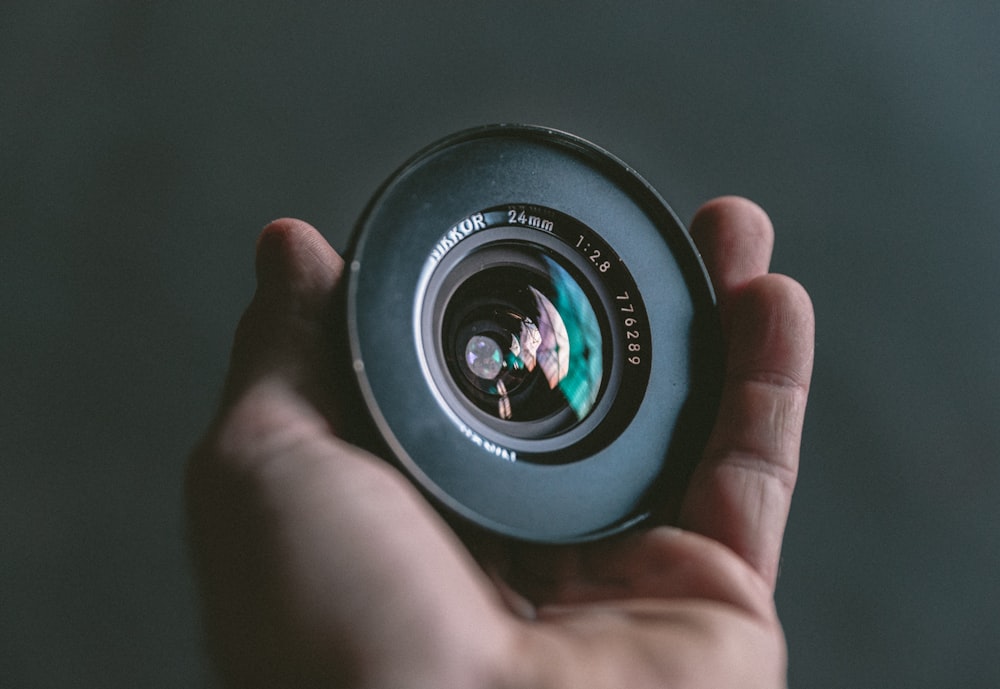
The choice of lens profoundly affects the outcome of your photographs. Wide-angle lenses capture expansive scenes, making them ideal for landscapes and architecture. Conversely, telephoto lenses bring distant subjects closer, perfect for wildlife and sports photography. Prime lenses, with fixed focal lengths, often provide superior image quality and wider apertures, ideal for portraits and low-light conditions.
Post-Processing: Enhancing Your Images
Post-processing is where the magic of digital photography truly unfolds. Software like Adobe Lightroom and Photoshop allows photographers to fine-tune their images, adjusting exposure, contrast, and color balance. Cropping and correcting lens distortions further enhance the final product. However, it is essential to maintain a balance, enhancing the image without over-processing it.
Understanding White Balance
White balance ensures that colors in your photos appear natural under different lighting conditions. Cameras often have presets for various lighting environments such as daylight, tungsten, and fluorescent. Adjusting the white balance can eliminate color casts, making sure whites appear truly white and all other colors are rendered accurately.
Exploring Advanced Techniques
As you become more comfortable with the fundamentals, exploring advanced techniques can further refine your skills. Long exposure photography, for instance, creates stunning effects with flowing water or night skies. High Dynamic Range (HDR) imaging captures a broader range of tones, combining multiple exposures for a balanced, detailed photo.
Building a Personal Style
Developing a unique style sets you apart as a photographer. This involves experimenting with different genres, such as portrait, landscape, macro, or street photography. Over time, you will find your niche and develop a signature look, characterized by your approach to lighting, composition, and post-processing.
Continuous Learning and Practice
Photography is an ever-evolving field, with new techniques and technologies emerging regularly. Continuous learning through workshops, online courses, and photography communities is vital. Regular practice is equally important. Challenge yourself with new projects, seek constructive criticism, and never cease to explore the limitless possibilities that photography offers.
Conclusion
Grasping the Basics of Photography is just the beginning of your photographic journey. By mastering your camera, understanding the exposure triangle, and honing your composition and lighting skills, you lay a strong foundation. Coupled with continuous learning and a passion for capturing the world around you, these basics will guide you toward becoming a proficient and creative photographer. Embrace the art and science of photography, and let your unique vision shine through every image you create.