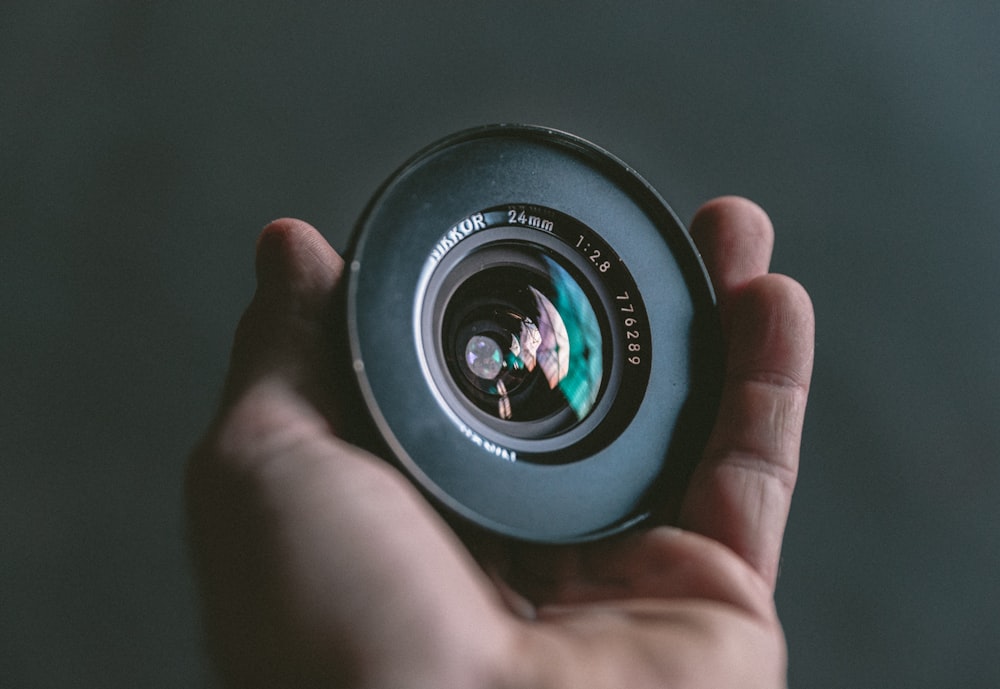
 The History of Photography is a rich tapestry woven with innovation, artistic exploration, and technological advancements. From its nascent stages in ancient times to the digital revolution of the 21st century, photography has continually evolved, capturing the essence of moments and the imagination of countless individuals.
Ancient Origins and Early Experiments
Long before the invention of the camera, the principles of optics were studied by ancient scholars. The camera obscura, a device that projected an image of its surroundings onto a surface, was described by Mozi in China and Aristotle in Greece. These early observations laid the groundwork for future developments in image capture.
The Dawn of Photography
The early 19th century marked a pivotal moment with the advent of photographic processes. In 1826, Joseph Nicéphore Niépce achieved the first successful photograph using bitumen on a pewter plate, a method he called heliography. This breakthrough was soon followed by Louis Daguerre’s daguerreotype in 1839, which produced clearer images and popularized photography among the masses.
The Evolution of Photographic Techniques
As the demand for photography grew, so did the need for improved techniques. The calotype process, developed by William Henry Fox Talbot, introduced paper negatives, allowing multiple positive prints. This innovation, alongside the collodion wet plate process, significantly enhanced image quality and reduced exposure times, making photography more accessible.
Photography in the Victorian Era
The Victorian era witnessed an explosion of photographic activity. Portrait studios sprang up across Europe and America, capturing the visages of individuals from all walks of life. Stereoscopic photography, which created three-dimensional images, became a popular form of entertainment. This period also saw the rise of photojournalism, documenting significant events and shaping public perception.
The Birth of Color Photography
While early photographs were monochromatic, the quest for color images persisted. In 1861, James Clerk Maxwell presented the first durable color photograph using a method based on the additive color theory. However, it wasn’t until the introduction of the Autochrome process by the Lumière brothers in 1907 that color photography became commercially viable.
The Impact of the 20th Century
The 20th century heralded unprecedented advancements in photography. The invention of the 35mm camera by Oskar Barnack of Leica in 1913 revolutionized photojournalism and candid photography. The mid-century saw the advent of instant photography with Edwin Land’s Polaroid camera, offering immediate gratification and broadening the medium’s appeal.
The Digital Revolution
The late 20th century introduced digital technology, fundamentally transforming the photographic landscape. The first digital cameras emerged in the 1980s, utilizing electronic sensors to capture images. This innovation eradicated the need for film and darkrooms, enabling photographers to edit and share their work instantaneously. The rise of the internet and social media further amplified the reach and impact of photography.
Photography in the Contemporary Era
Today, photography is more ubiquitous and versatile than ever. The integration of high-quality cameras in smartphones has democratized image-making, empowering individuals to document their lives with unprecedented ease. Advances in artificial intelligence and computational photography continue to push the boundaries, enhancing image quality and creative possibilities.
The Artistic and Cultural Influence
Beyond technological advancements, photography has profoundly influenced art and culture. Iconic photographers like Ansel Adams, Dorothea Lange, and Henri Cartier-Bresson have used the medium to convey powerful narratives and social commentary. Their work has not only enriched the art world but also contributed to historical records and collective memory.
Looking to the Future
As we look to the future, the potential for photography seems boundless. Emerging technologies such as virtual reality, augmented reality, and holography promise to further redefine the medium. Ethical considerations regarding privacy and manipulation will also play a crucial role in shaping the future landscape of photography.
Conclusion
The History of Photography is a testament to human ingenuity and creativity. From ancient experiments with light to the sophisticated digital technologies of today, photography has continually evolved, capturing the essence of our world and the moments that define our lives. As we continue to innovate and explore new frontiers, the future of photography holds endless possibilities, forever altering how we see and interpret the world around us.